Public-health guidance is clear about rodent droppings: the mess is not just gross. The bigger issue is what gets stirred into the air when mice are already living in your barn, pantry, garage, or crawlspace.
Field Notes Desk
Rodent-control advertorial based on the SoFyre May 2026 Hantavirus batch
May 13, 2026
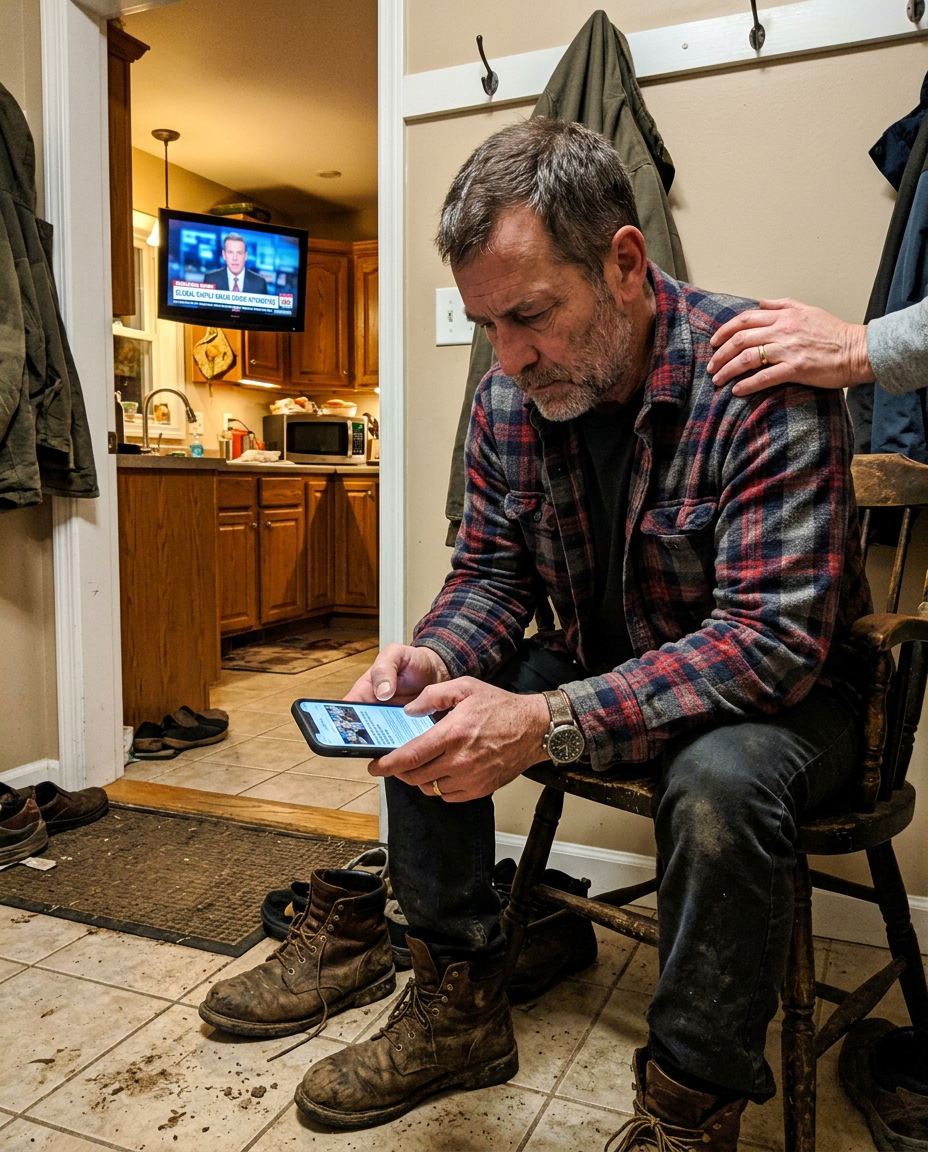
I had mice in my barn for two years and I told my wife it was not a big deal.
Then I saw the hantavirus story on the news.
That was the part that changed the problem in my head.
Not because I suddenly wanted to panic. I do not live like that.
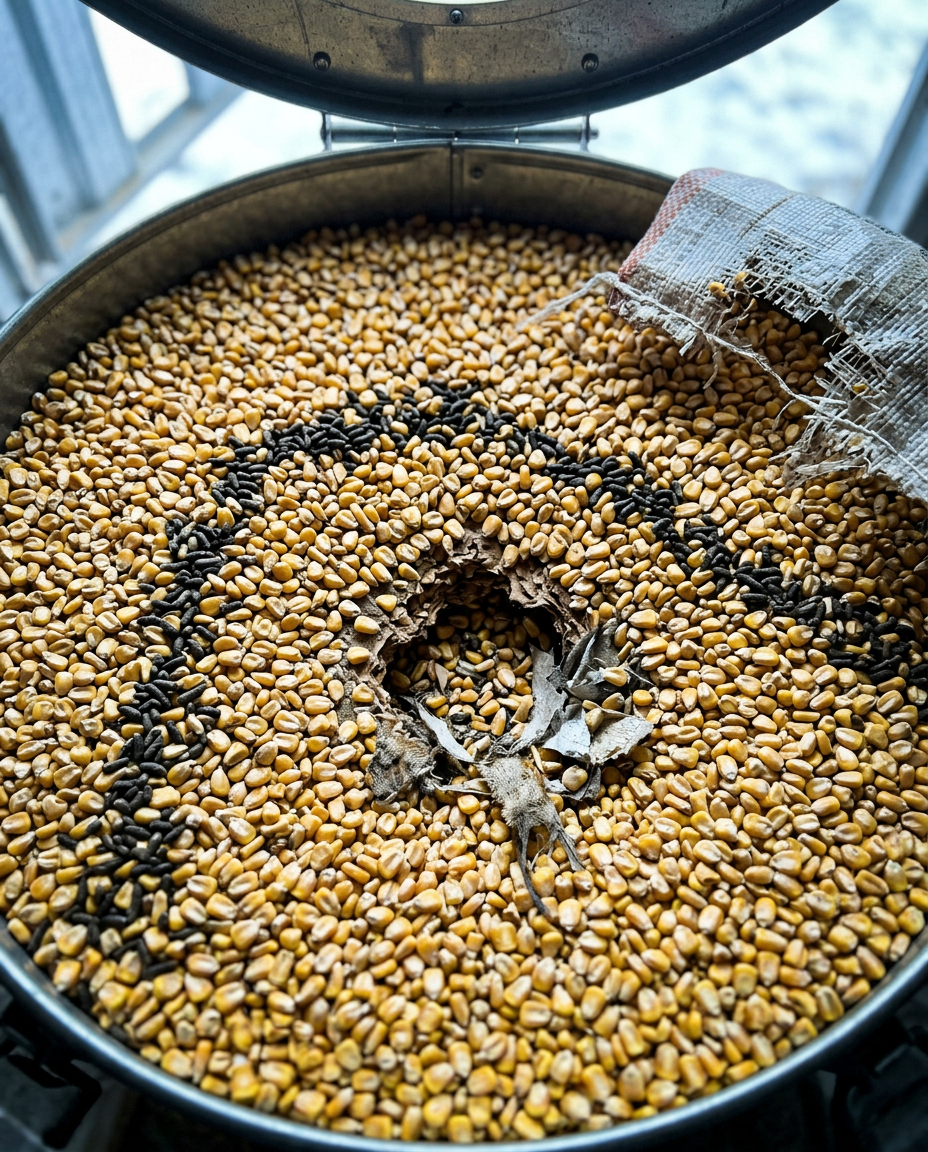
Because I finally understood that the droppings were not just a mess on the floor. They were proof that mice had been living, eating, urinating, nesting, and running through the same places my wife, grandkids, dog, and equipment touched every week.
And I had been treating that like normal farm dirt.
She did not say a word. She did not have to. She had been telling me for two years.
Source
Rodents
Mistake
Dry dust
Move
Control
That is what most of us do.
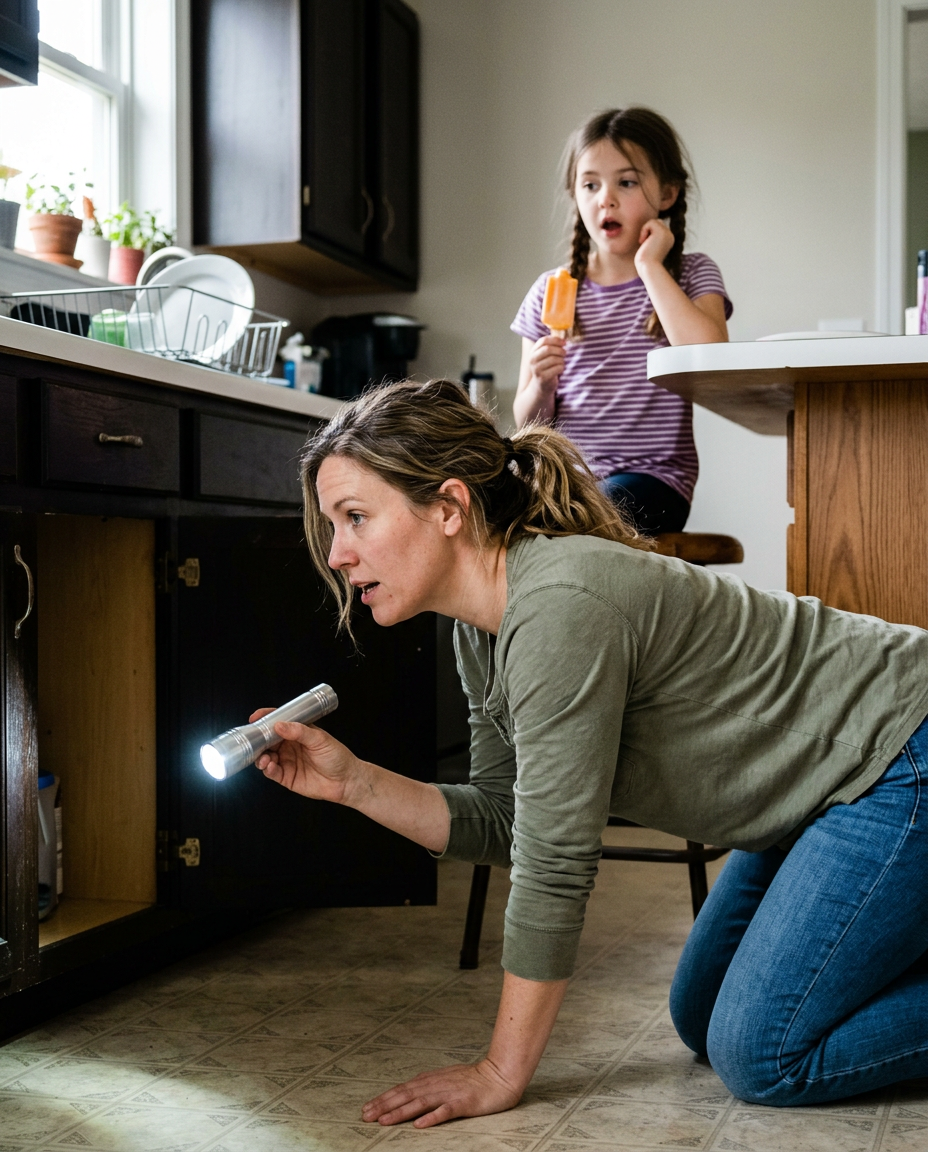
We see droppings in the barn corner, behind the feed bin, under the sink, or in the garage.
We sweep them.
We wipe the counter.
We set a trap.
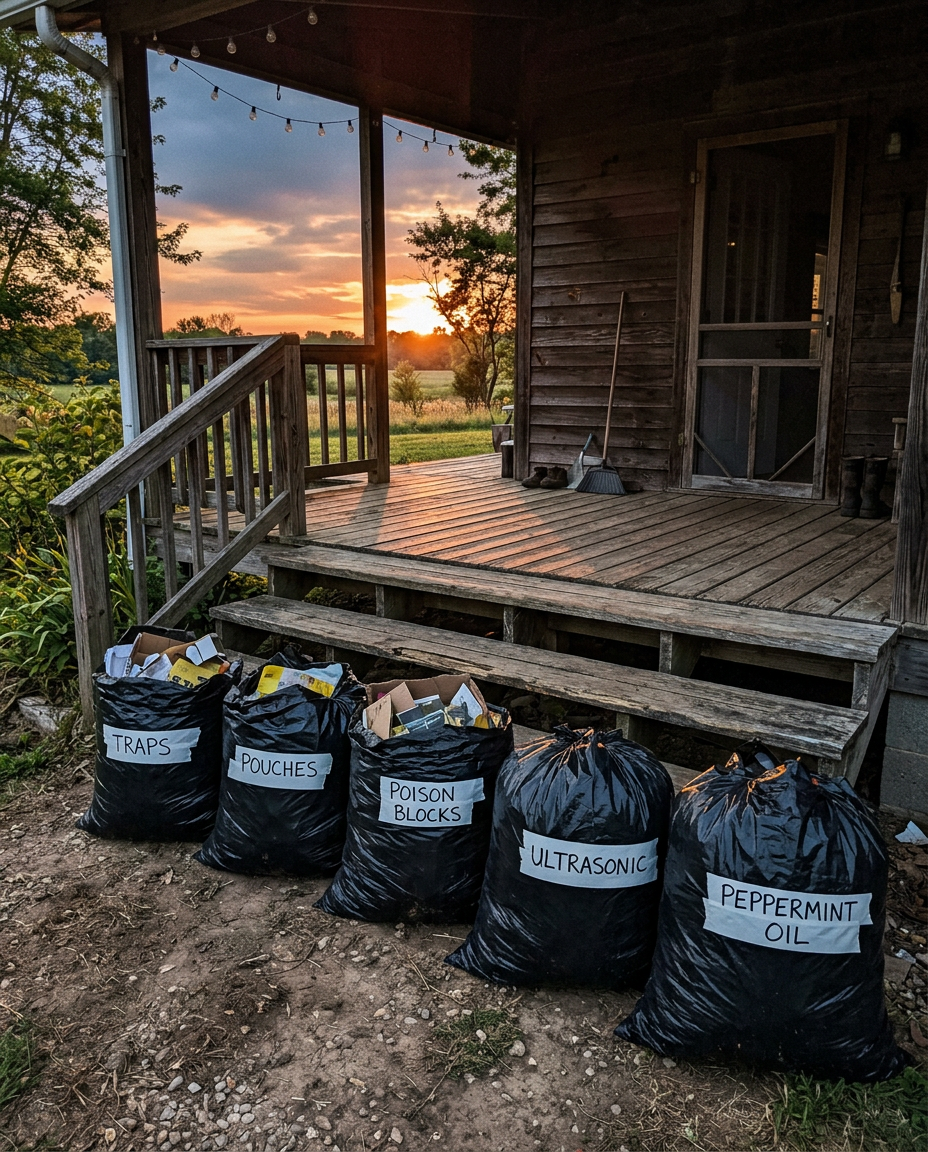
Maybe we throw down whatever mouse pouch Amazon sends fastest.
And then, three mornings later, the droppings are back.
That is when the problem stops being one cleanup. It becomes a loop.
Same corner. Same smell. Same scratching. Same argument with your wife. Same knot in your stomach when a kid or dog walks near the place you just cleaned.
The point is not to make hantavirus sound common. The point is simpler: once mice are leaving droppings where your family lives and works, the source has to be handled before cleanup becomes a weekly ritual.
I used to think a mouse pouch was a mouse pouch.
Peppermint smell. Maybe cinnamon smell. Toss it in the corner and wait.
That sounded reasonable until I looked at what kept happening.
The first few days, the barn smelled different.
Then the mice came back.
Same with the kitchen pouches. Same with the garage pouches. Same with the cheap bag from Amazon and the one from the farm store.
That is when the mechanism clicked.
Peppermint and cinnamon are scent irritants. They bother mice at first.
But a mouse can get used to a smell.
That is why a lot of 1- and 2-ingredient pouches feel like they work for a weekend and then suddenly do nothing.
The limitation was not me being lazy. It was not that I had placed the pouches wrong.
I was using a two-ingredient answer against a four-ingredient problem.
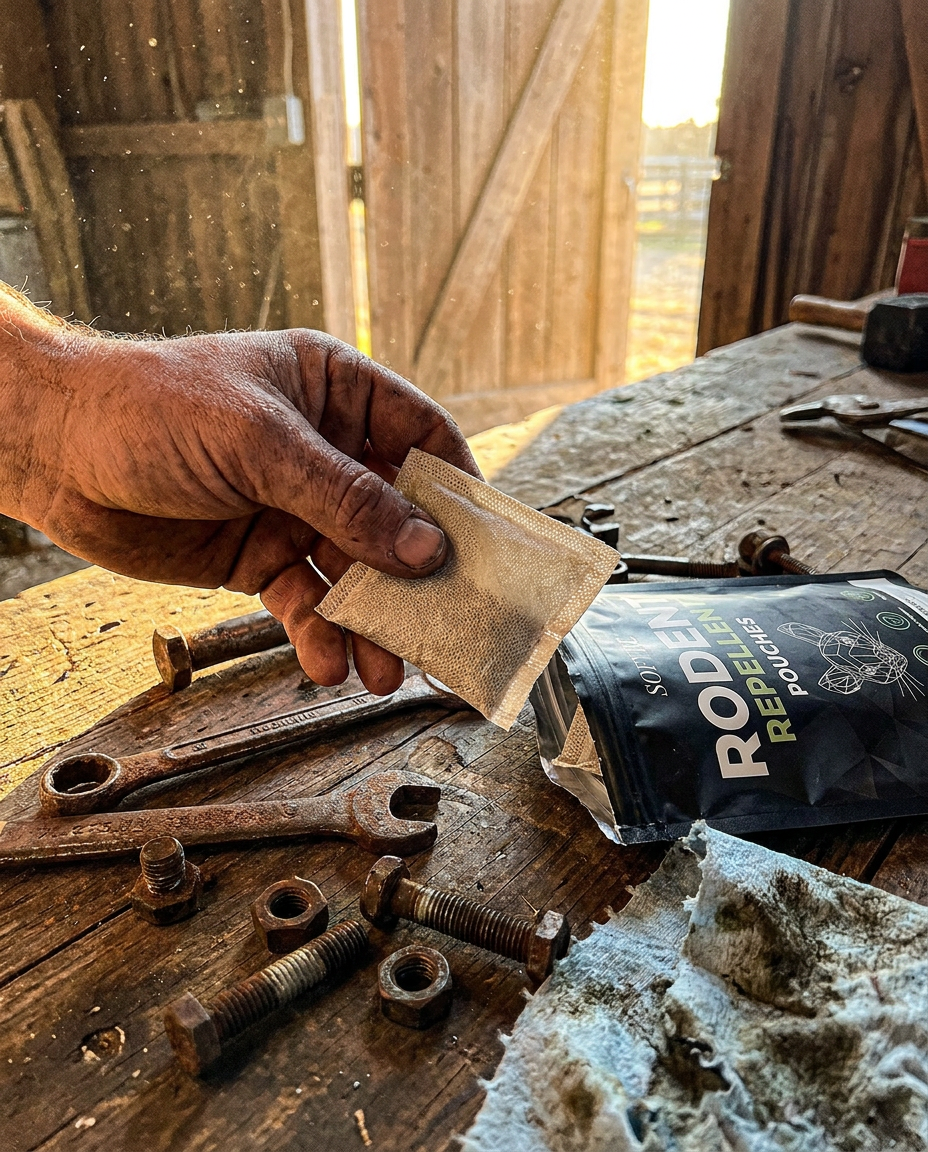
Sofyre Mouse Repellent Pouches use peppermint oil and cinnamon oil too.
But they do not stop there.
They add castor oil and cedar wood oil.
That matters because those two are not just more smells in the same corner.
They are the ingredients that make the area feel physically wrong for mice to stay in.
So instead of asking a mouse to dislike a scent, the full pouch setup creates a broader pressure: scent irritation first, then the castor and cedar response that keeps the space uncomfortable.
That is the difference between a pouch that smells strong for three days and a pouch designed to make the nesting area feel like a bad place to live.
And once that clicked, the product finally made sense.
" You were not failing. You were using a two-ingredient product against a four-ingredient mouse problem.
There is no complicated device.
No poison block for the dog to find.
No monthly exterminator visit where a stranger walks through your home and leaves you wondering what you are actually paying for.
You place the pouches where mice are already telling you they are active.
Under the sink. Behind the pantry shelf. Near the garage corner. In the tractor cab. Along the barn wall. By the feed bin.
Then you watch the same places for fresh signs.
Not because Sofyre is a medical product. It is not.
It does not diagnose, treat, cure, or prevent hantavirus or any disease.
It is a practical rodent-control move for people who are done cleaning the same droppings from the same places and pretending the source does not matter.
One bag of Sofyre Mouse Repellent Pouches costs $29.
That is less than a single exterminator visit. Less than replacing chewed wiring. Less than dumping contaminated feed. Less than buying another pile of plug-ins and peppermint bags that mice walk past by next week.
Each bag has 12 pouches.
Each pouch is made to last up to 90 days.
Right now, Sofyre is running Buy 2 Get 1 Free.
And the order is covered by a 30-day money-back guarantee.
So the test is simple: put the full four-ingredient setup where the mice are active, give it a fair 30 days, and watch the places that used to tell the truth every morning.
Worst case, you use the guarantee.
Best case, the droppings stop being the first thing you check.
BUY 2 GET 1 FREE WINDOW
Common Questions
No. Sofyre is not a medical product and does not diagnose, treat, cure, or prevent any disease. The page uses hantavirus as the urgency frame because rodent droppings are a real cleanup concern. Follow public-health cleanup guidance and contact a professional if you are dealing with a heavy infestation or possible exposure.
Most cheap retail pouches stop at peppermint or peppermint plus cinnamon. Sofyre adds castor oil and cedar wood oil, creating a four-ingredient pouch designed to make active nesting areas unpleasant for mice instead of relying on one scent they can learn to ignore.
Start where the mice are already leaving evidence: under sinks, behind pantry shelves, garage corners, basement edges, tractor cabs, barns, feed areas, crawlspaces, and sheds. The practical test is whether fresh signs stop appearing in those same places.
No. Sofyre Mouse Repellent Pouches are not poison blocks and are not designed to kill mice in your walls. They are scent-based repellent pouches for people who want mice to leave without putting poison around kids, pets, feed, or kitchen areas.
Sofyre includes a 30-day money-back guarantee. Place the pouches in the active areas, watch for fresh signs, and if the house does not feel quieter and cleaner within the test window, use the guarantee.
Important: If you are cleaning rodent urine, droppings, or nesting material, follow current public-health cleanup guidance. Do not sweep or vacuum dry droppings. Wet contaminated material with an appropriate disinfectant first, wear protection, and bring in professional help for heavy infestations.
Sofyre Mouse Repellent Pouches are pest-control products. They are not medical products and are not intended to diagnose, treat, cure, or prevent disease.